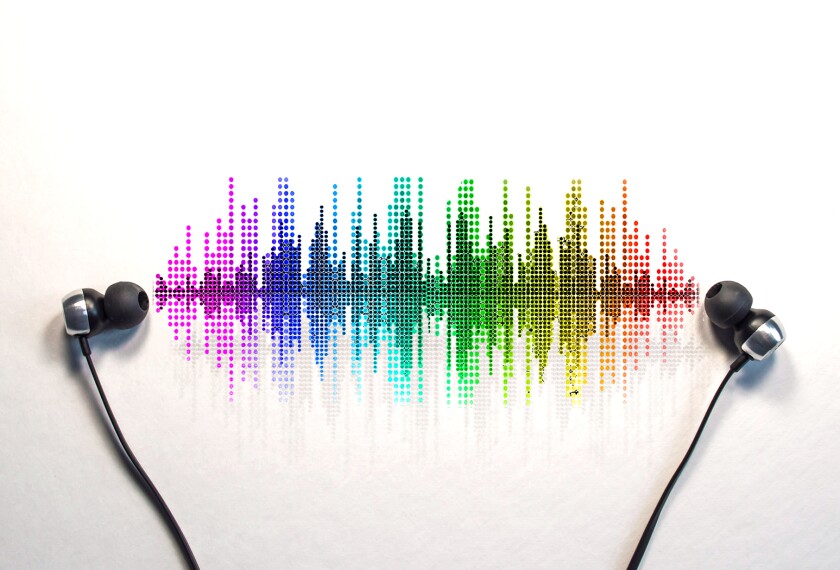
The Hidden Power of Sound: How Sonic Waves Influence Our Emotions
The influence of sound on human emotions is a powerful phenomenon that has been studied for decades. From the calming effects of gentle melodies to the invigorating impact of upbeat rhythms, sonic waves play a crucial role in shaping our emotional experiences. Research has shown that certain frequencies can evoke specific feelings; for instance, low-frequency sounds are often associated with feelings of sadness, while high-frequency sounds can invoke happiness and excitement. This hidden power of sound can be harnessed in various settings, such as in therapy, advertising, and even during our daily routines.
Furthermore, the way we perceive and react to sound can be deeply personal, influenced by our past experiences and cultural backgrounds. For example, a simple sound like a running stream may bring feelings of peace and nostalgia for some, while others may find it unsettling. This variance in emotional response highlights the significance of sound in our lives. By understanding how sonic waves influence our emotions, we can create environments that enhance our well-being, whether through music, nature sounds, or even the acoustics of our living spaces.
If you're looking for affordable audio options, check out the Top 10 budget earbuds that offer quality sound without breaking the bank. These earbuds are perfect for casual listeners and come equipped with features that enhance your listening experience. Whether you need them for daily commutes, workouts, or just relaxing at home, you'll find great choices in this list!
Soundscapes: The Impact of Acoustic Environments on Human Behavior
The concept of soundscapes encompasses the various acoustic environments that surround us, significantly influencing our mood and behavior. Studies have shown that different auditory environments can evoke distinct emotional responses; for instance, natural sounds like birdsong and flowing water can induce feelings of calmness and relaxation. In contrast, urban noise, such as traffic or construction sounds, often leads to increased stress levels and irritability. Understanding these effects is crucial for creating spaces—whether in the workplace, schools, or public areas—that promote well-being and productivity.
Furthermore, soundscapes can play a vital role in shaping our social interactions. For example, research indicates that music can foster a sense of community, prompting people to engage more with their surroundings and each other. Acoustic environments can either enhance or detract from communication; quieter settings are conducive to conversation, while noisy atmospheres may hinder social engagement. This highlights the importance of designing environments that consider the impact of sound, thus encouraging positive human interactions and improving overall quality of life.
Can Sound Change Your Reality? Exploring the Science Behind Sonic Effects
The influence of sound on our perception and reality is a fascinating area of study, often explored in the fields of psychology and neuroscience. Research has shown that sound can significantly alter our emotional state, cognitive functions, and even our physical health. For example, certain frequencies and rhythms can evoke feelings of calmness or anxiety. This phenomenon is known as the sonic effect, where specific sound patterns are capable of impacting our brain waves and altering our state of consciousness. In therapeutic settings, sound therapies are increasingly used to help individuals manage stress, improve focus, and even enhance creativity.
Moreover, the concept of sound changing reality extends beyond personal experiences; it also permeates cultural and social contexts. Music and auditory cues play a crucial role in shaping our environments and influencing collective emotions. For instance, studies have illustrated how background music in retail spaces can affect consumer behavior, prompting them to spend more or feel more relaxed. In nature, sounds like the gentle rustling of leaves or the chirping of birds can create a sense of tranquility, prompting a deeper connection with our surroundings. Ultimately, the exploration of sound reveals that our auditory experiences are not just passive; they actively shape how we perceive reality.