How Do Crypto Casinos Actually Work? Unpacking Smart Contracts, Provably Fair, and Anonymity
At their core, crypto casinos leverage blockchain technology to redefine traditional online gambling. Unlike conventional casinos that rely on centralized servers and opaque algorithms, crypto casinos operate on decentralized networks. This fundamental shift enables several key features, most notably provably fair gaming. Through cryptographic hashes and publicly verifiable algorithms, players can independently confirm the fairness of every game outcome, from dice rolls to slot spins. This eliminates the need for trust in a third party, fostering a new level of transparency previously unattainable. Furthermore, the use of cryptocurrencies for deposits and withdrawals streamlines transactions, often resulting in lower fees and faster processing times compared to traditional banking methods.
The operational backbone of many crypto casinos lies in smart contracts. These self-executing agreements, stored on the blockchain, automatically enforce the terms of a wager without the need for intermediaries. For instance, a smart contract can be programmed to release winnings directly to a player's wallet once a game's outcome is verified as fair. This automation enhances efficiency and significantly reduces the potential for human error or manipulation. Regarding anonymity, while not entirely anonymous (especially with KYC regulations in some jurisdictions), crypto transactions offer a higher degree of privacy than traditional financial systems. Users typically only need a wallet address to participate, rather than providing extensive personal information, allowing for a more discreet gaming experience. This combination of transparency, automation, and enhanced privacy forms the bedrock of how crypto casinos function.
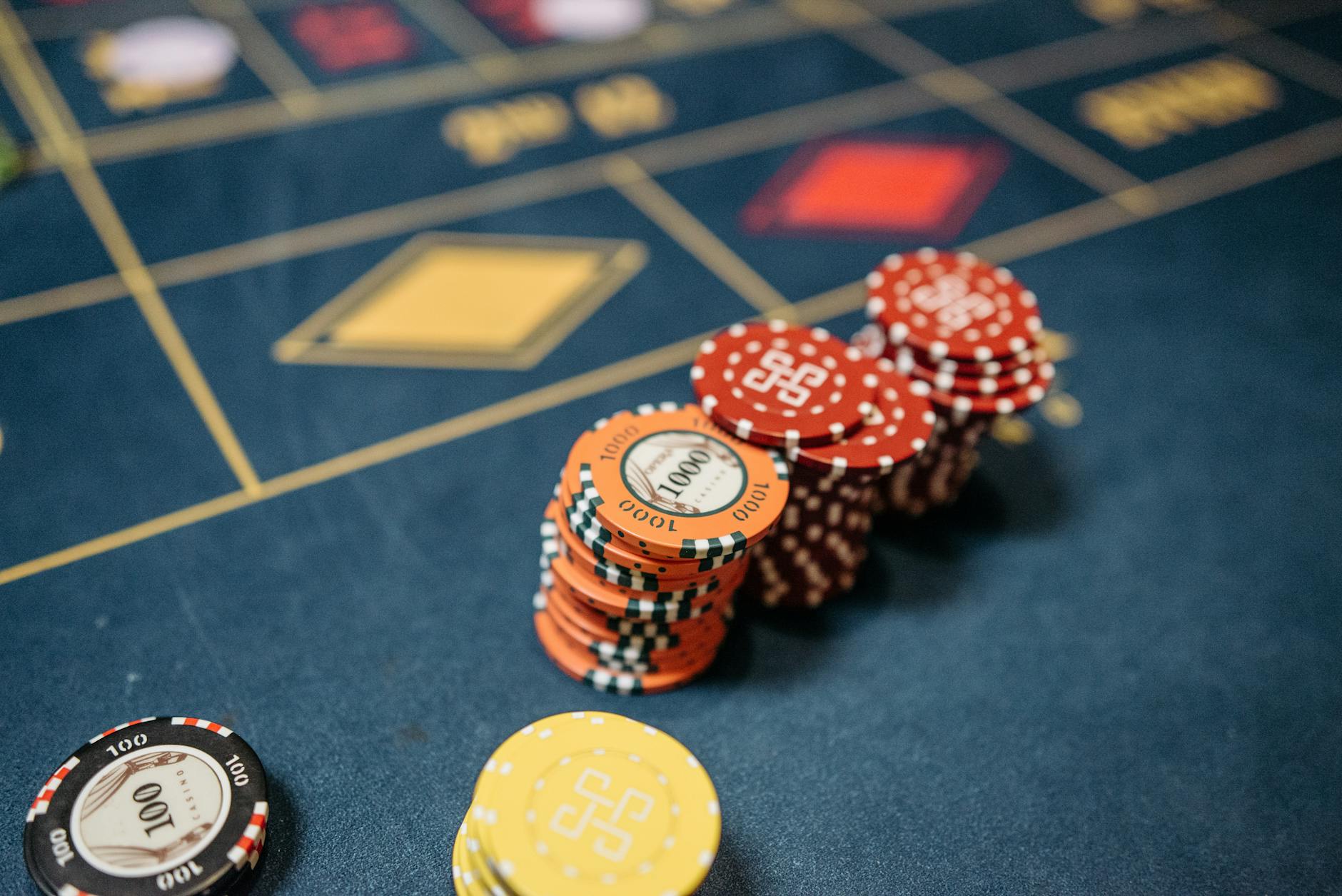
Step into the exciting world of a crypto casino, where you can experience cutting-edge gaming with the added benefits of blockchain technology. These platforms offer enhanced security, faster transactions, and often a wider selection of unique games compared to traditional online casinos. Play your favorite casino games using various cryptocurrencies and enjoy a modern, decentralized gambling experience.
Wagering with Confidence: Navigating Wallets, Transactions, and Common Questions in Decentralized Gaming
Venturing into decentralized gaming requires a fundamental understanding of how to manage your digital assets securely. At its core, this involves choosing the right cryptocurrency wallet – your personal gateway to the blockchain. Options range from browser-based extensions like MetaMask, offering seamless integration with dApps, to more robust hardware wallets for enhanced security.
- Choosing a Wallet: Consider factors like security features, ease of use, and compatibility with the games you intend to play.
- Funding Your Wallet: You'll typically acquire cryptocurrency (often ETH or a game-specific token) from an exchange and transfer it to your chosen wallet.
- Understanding Seed Phrases: This critical series of words is your wallet's master key; guard it with your life and never share it.
Beyond initial setup, navigating transactions and understanding common queries are crucial for confident decentralized gaming. Every action, from purchasing in-game NFTs to participating in a decentralized autonomous organization (DAO), involves a blockchain transaction. These transactions incur gas fees, which fluctuate based on network congestion and demand. Being aware of these costs and understanding how to estimate them can save you significant frustration. Furthermore, common questions often revolve around what happens if I lose my seed phrase?
(you lose access to your funds forever), or how do I bridge assets between different blockchains?
(often requiring specialized bridge services). A solid grasp of these operational aspects empowers you to interact with decentralized games efficiently and securely, minimizing potential pitfalls and maximizing your enjoyment.