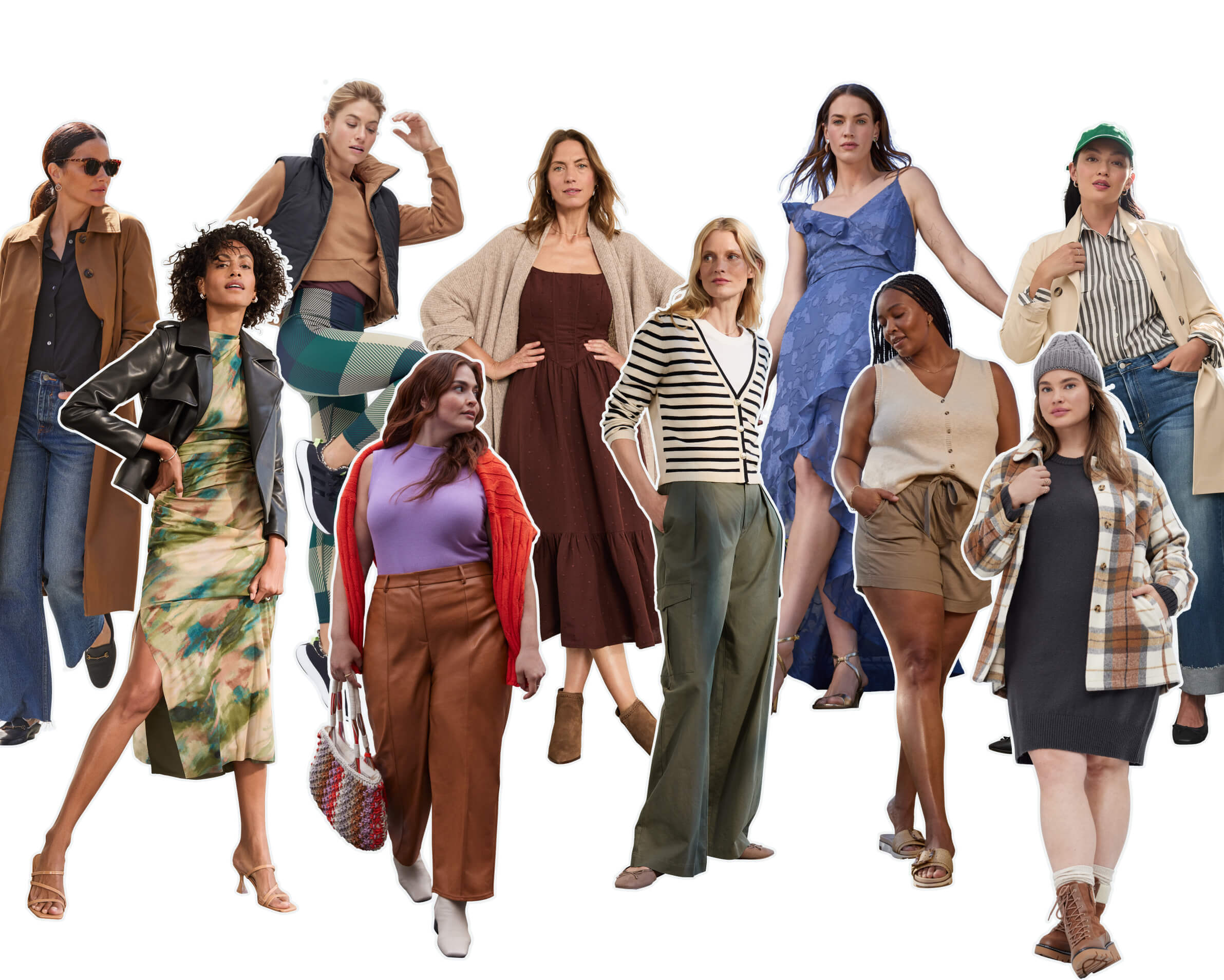
5 Ways to Dress According to Your Mood: A Style Guide
Fashion is not just about looking good; it's a powerful form of self-expression that reflects your inner feelings. Understanding how to dress according to your mood can elevate your style game and impact your confidence. Here are five effective ways to align your outfits with your emotions:
- Bright Colors for Joy: Wearing vibrant shades like yellow or orange can boost your mood and radiate positivity. These colors are perfect for days when you feel upbeat and want to spread good vibes.
- Soft Fabrics for Comfort: On days when you feel a bit down or need coziness, opt for soft materials like cashmere or cotton. Comfortable attire can help soothe your emotions.
- Structured Pieces for Confidence: If you need a confidence boost, opt for tailored outfits. Structured blazers or well-fitted trousers can empower you and help you tackle the day with assurance.
- Casual Wear for Relaxation: When you're feeling laid-back, choose relaxed clothing such as oversized tees or loose-fitting pants. Comfort meets style in these pieces, making them ideal for a chill day.
- Accessories for Self-Expression: No matter your mood, the right accessories can enhance your look. Whether it's a statement necklace or a quirky hat, accessories allow you to showcase your personality and feelings.
Counter-Strike is a popular first-person shooter game that pits teams of terrorists against counter-terrorists in objective-based gameplay. Players choose from a variety of weapons and must work together to achieve their objectives, whether it's planting a bomb or rescuing hostages. The game has become a staple in the esports community, attracting millions of players and viewers worldwide. For those looking to protect their phones while staying stylish, check out the Top 10 Phone Cases with Card Holders to keep your essentials close at hand.
The Psychology of Color: How Your Outfit Affects Your Emotions
The psychology of color plays a significant role in how we express ourselves through our outfits. Each color exudes its own unique energy, influencing not only the way we feel but also how others perceive us. For instance, red is a color often associated with passion and confidence, making it a great choice for important meetings or social gatherings. On the other hand, colors like blue are linked to calmness and stability, often helping to alleviate stress and promote a sense of tranquility. Understanding these associations can empower you to choose outfits that not only enhance your mood but also create the desired emotional response in others.
Moreover, colors can trigger various emotions subconsciously, impacting your overall well-being throughout the day. Research indicates that wearing bright colors can enhance positivity and boost creativity, while darker shades might lead to feelings of seriousness or even melancholy. It's essential to consider context and personal style when selecting your clothing hues. Incorporating a mix of colors that resonate with your personality can also improve self-expression. So, next time you choose your outfit, take a moment to think about how colors might affect your emotions and those around you.
What Does Your Wardrobe Say About You? Exploring Mood-Driven Fashion Choices
Our wardrobe is more than just a collection of garments; it serves as a visual representation of our personality and emotional state. Mood-driven fashion choices reveal how we feel about ourselves and the world around us. For instance, someone who gravitates towards vibrant colors and bold patterns may be expressing their energetic and outgoing nature, while a preference for neutral tones might suggest a more introspective or professional demeanor. By analyzing our wardrobe, we can uncover layers of identity that often remain hidden beneath the surface.
Moreover, what your wardrobe says about you can change with your mood. A study of fashion psychology highlights that our clothing preferences often shift in response to emotional states. For example, during times of joy or success, individuals may opt for bright and playful outfits, while sadness or anxiety may lead to more subdued and comfortable attire. Embracing mood-driven fashion choices enables us not just to express who we are, but also to reflect on how we feel, creating a dynamic interplay between our emotions and personal style.