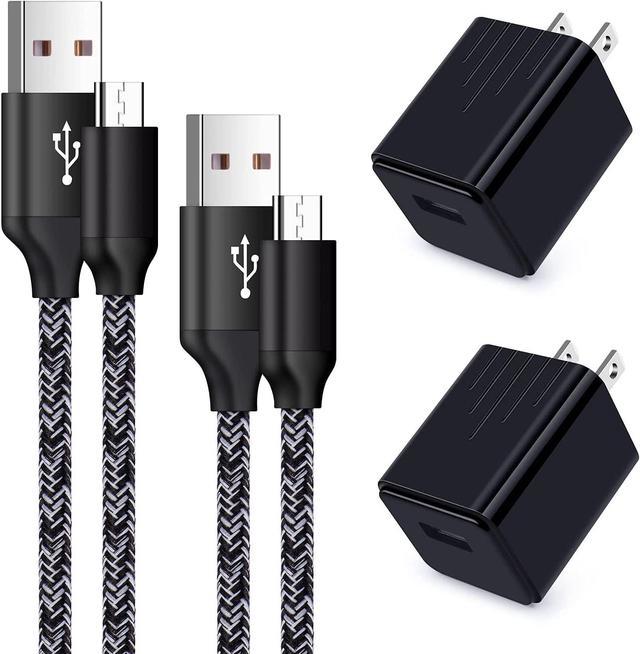
The Evolution of Smartphone Chargers: From Brick to Wireless
The evolution of smartphone chargers has seen a remarkable transformation, shifting from the bulky, heavy brick chargers of the past to the sleek, sophisticated wireless chargers we use today. Initially, smartphone chargers were designed as large power bricks, often weighing down bags and requiring an additional space in every tech users' arsenal. These early models, typically equipped with a simple USB connection, served their purpose but lacked the convenience and portability that consumers desired. As technology advanced, so did the design and functionality of chargers, leading to the introduction of compact and lightweight options that catered to a more mobile lifestyle.
Fast forward to the present, and we find ourselves in an era dominated by wireless charging technology. This innovation has significantly changed the way we interact with our devices, as users can now charge their smartphones by simply placing them on a charging pad. Wireless chargers utilize induction technology, providing a seamless experience that eliminates the hassle of tangled wires and frequent plug-in frustrations. The shift towards wireless charging not only enhances user convenience but also reflects broader trends in the electronics industry, pushing toward a future where cordless solutions may become the norm, redefining how we think about powering our devices.
Counter-Strike is a popular first-person shooter game that has developed a massive following since its release. The game emphasizes teamwork and strategy, requiring players to work together to achieve objectives, such as planting or defusing bombs. For those looking to enhance their gaming setup, consider checking out the Top 10 Wireless Charging Pads to keep your devices powered during intense gaming sessions.
10 Tips for Choosing the Right Charger for Your Device
Choosing the right charger for your device is essential for optimal performance and safety. Here are 10 tips to help you make the best choice:
- Know Your Device: Always check the specifications of your device to determine the required voltage and amperage.
- Original vs. Third-Party: Whenever possible, use the original charger supplied by the manufacturer, as it is specifically designed for your device.
- Charging Speed: Look for chargers that support fast charging if you value efficiency, but ensure that your device can handle it.
Additionally, consider the quality of the charger. Cheap knock-off chargers can pose safety risks. Here are more tips:
- Built-In Safety Features: Opt for chargers with built-in protections against overcharging, overheating, and short circuits.
- Compatibility: Ensure that the charger is compatible with your device type (smartphone, tablet, laptop, etc.).
- Length of Cable: Consider the length of the charging cable, especially if you need to charge your device from a distance.
Are Fast Chargers Safe? Debunking Common Myths
As electric vehicles (EVs) become increasingly popular, many drivers are left questioning the safety of using fast chargers. One common myth is that fast charging can lead to overheating and damage to the battery. However, advanced battery management systems and built-in safety features of modern fast chargers are designed to prevent such issues. These systems monitor temperatures and adjust the power supply accordingly, ensuring that the charging process remains efficient and safe without compromising battery health.
Another misconception is that fast charging significantly reduces the lifespan of EV batteries. While it is true that charging speed can impact battery degradation, most manufacturers have engineered their batteries to handle frequent high-speed charging. According to recent studies, when used responsibly, fast chargers can be as safe for a battery as regular charging methods. Therefore, charging your vehicle with a fast charger should not be a cause for concern, provided you follow your vehicle manufacturer's guidelines.