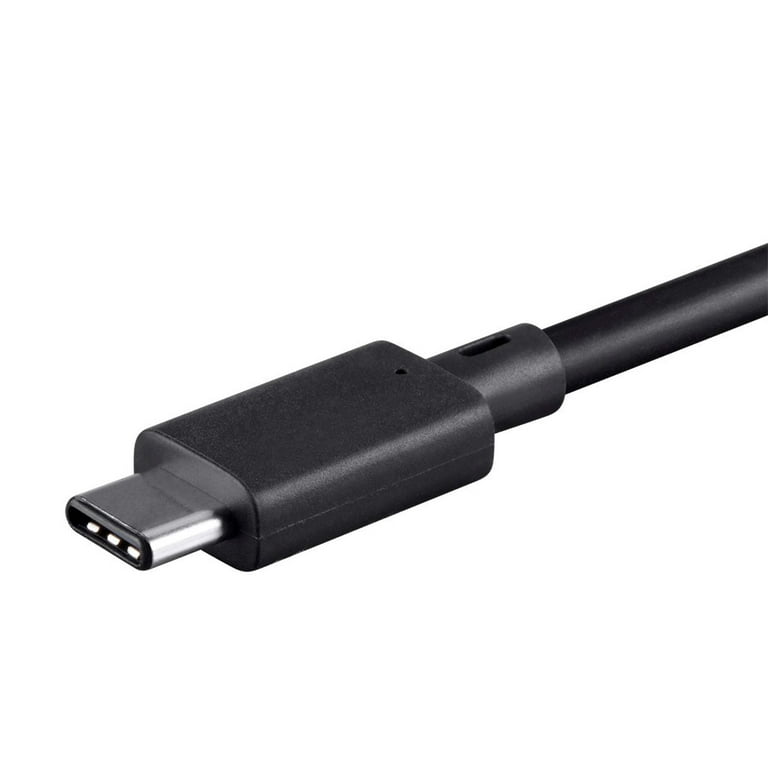
The Rise of Type C: How It's Revolutionizing Tech Connectivity
The emergence of Type C connectors marks a significant turning point in the realm of tech connectivity. Unlike its predecessors, USB Type C is designed to be reversible, allowing users to plug it in without worrying about orientation. This innovation not only enhances user convenience but also enables faster data transfer rates and charging capabilities. For instance, USB 3.1, which utilizes the Type C connection, can deliver data speeds up to 10 Gbps, making it a popular choice for everything from smartphones to laptops.
Moreover, the versatility of Type C ports cannot be overstated. They support a myriad of protocols, including HDMI, DisplayPort, and Thunderbolt, all through a single connection. This unification of connectors streamlines our tech setups and reduces the clutter of cables, which has long been a headache for users. As adoption rates continue to soar, many tech manufacturers are now prioritizing Type C integration, paving the way for a more connected and efficient future. It's clear that the revolution brought forth by Type C is not just a trend; it's an evolution in how we approach connectivity in the modern digital age.
If you're looking for durability and performance, check out the Top 10 Braided USB C Cables. These cables offer a combination of style and functionality, making them perfect for everyday use. Each cable is designed to withstand wear and tear, ensuring you get the best value for your investment.
Type C vs. Traditional Connectors: Which is More Efficient?
When comparing Type C connectors with traditional connectors like USB-A and USB-B, several efficiency factors come into play. Firstly, Type C connectors support faster data transfer rates, reaching up to 10 Gbps under the USB 3.1 standard compared to a maximum of 5 Gbps for USB 3.0 traditional connectors. This speed advantage makes Type C a preferred choice for modern devices that demand high-performance data transmission. Furthermore, the reversible design of Type C connectors eliminates the hassle of trying to plug in a cable the right way, enhancing user experience and accessibility.
Another critical factor to consider is power delivery. Type C connectors can provide up to 100W of power, making them capable of charging larger devices such as laptops in addition to smartphones and tablets. In contrast, traditional connectors typically deliver lower power levels, which can restrict their usability with newer technology. The versatility and superior performance of Type C connectors not only streamlines connections but also promotes a more comprehensive ecosystem of devices. As technology continues to evolve, it's clear that embracing Type C may be essential for future-proofing your tech setup.
What Makes Type C the Must-Have Standard for Future Devices?
Type C has rapidly emerged as the essential connection standard for modern devices, thanks to its versatility and superior performance. Unlike its predecessors, this universal connector offers a reversible design that eliminates the frustration of plugging in a cable the wrong way. Its compact size allows for sleek, streamlined device designs, making it an attractive option for manufacturers looking to enhance the portability of their gadgets. Additionally, Type C supports various protocols, including USB Power Delivery (PD), enabling faster charging and data transfer speeds, which are crucial as we rely more on technology for everyday tasks.
As we look towards the future of technology, the adoption of Type C is becoming increasingly important. With its ability to support high-resolution video output and advanced data transfer capabilities, this standard is well-equipped to handle the demands of next-generation devices such as smartphones, laptops, and even home electronics. According to industry experts, it is estimated that by 2025, over 90% of consumer electronics will feature Type C ports. This widespread integration will not only simplify the charging and connectivity experience for users but also pave the way for a more efficient and standardized approach to device compatibility.