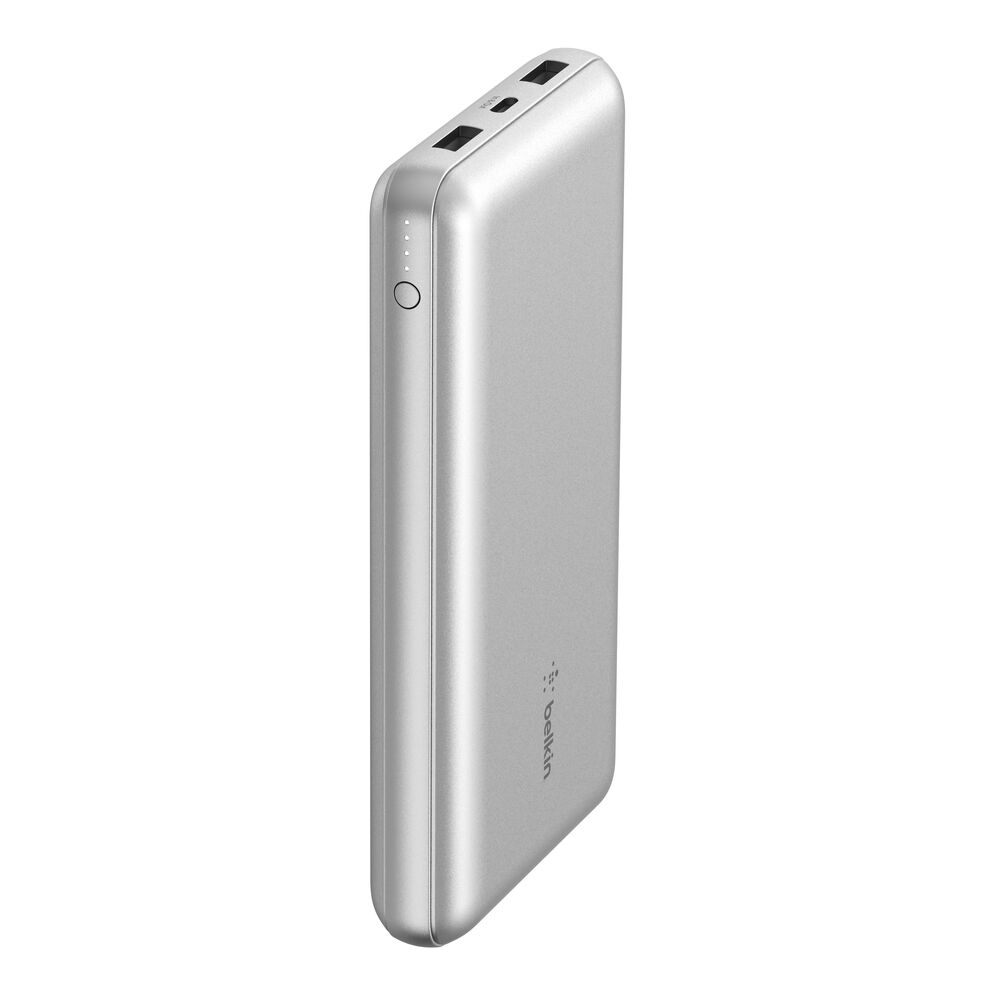
10 Must-Know Tips for Choosing the Perfect Portable Charger
In today's fast-paced digital world, staying connected is crucial, making a portable charger an essential accessory for anyone who relies on their devices. When choosing the perfect portable charger, consider the capacity measured in milliampere-hours (mAh). A higher capacity means more charges for your devices before the charger itself needs a refill. For example, a 10,000 mAh charger can fully charge most smartphones at least twice, while a 20,000 mAh charger may power several devices multiple times. Tip 1: Determine your charging needs based on how frequently you use your devices and how often you can access a power source.
Next, look for key features that enhance usability. The output power of the charger, measured in volts and amps, affects how quickly your device will charge. A charger with 2.1A output is often better for tablets and larger devices, while a 1A output is generally sufficient for smartphones. Additionally, consider portability—go for a compact, lightweight design that's easy to slip into your bag. Tip 2: Read user reviews to gauge the reliability and performance of different brands before making a decision. By keeping these factors in mind, you can ensure that you choose the best portable charger for your needs.
Counter-Strike is a highly popular first-person shooter game that emphasizes teamwork and strategy. Players can choose to play as terrorists or counter-terrorists in a series of round-based matches. For those looking to enhance their gaming experience while traveling, consider checking out the Top 10 Travel Accessories for Digital Nomads which can help you stay connected and comfortable on the go.
The Science Behind Portable Chargers: How Do They Work?
Portable chargers, also known as power banks, operate on a basic principle involving the storage of electrical energy. At their core, these devices contain one or more lithium-ion or lithium-polymer batteries that store energy for later use. When you plug your device into a portable charger, a process called electrical discharge occurs, allowing the stored energy to flow from the battery to your device's battery. This flow of electricity is regulated by an internal circuit that ensures a safe and efficient transfer of power, preventing damage to both the charger and the device being charged.
The efficiency of a portable charger is influenced by several factors, including its capacity, output voltage, and the technology used in its construction. Most chargers have a defined capacity measured in mAh (milliamp hours), indicating how much charge they can store. For instance, a power bank with a capacity of 10,000mAh can fully charge a typical smartphone about two to three times, depending on the device's battery size. Additionally, advancements like Quick Charge technology allow for faster charging times, reducing the amount of time you need to keep your device tethered to the portable charger and ensuring you're always ready to go.
Portable Chargers vs. Power Banks: What's the Difference and Why It Matters?
When discussing portable chargers and power banks, it's essential to understand that while the terms are often used interchangeably, they refer to different concepts in mobile power solutions. A portable charger typically refers to a device that connects directly to your gadget via a USB cable and provides power on the go, while a power bank usually describes a rechargeable battery pack that can store energy for later use. Understanding the distinction matters because it influences how you plan your energy needs during travel or daily activities, especially in situations where accessing traditional power sources is impractical.
Choosing the right device depends on your specific requirements. Here are some factors to consider:
- Capacity: Power banks usually have higher capacity, measured in mAh (milliampere-hours), allowing multiple charges for your devices.
- Portability: While portable chargers can be compact, power banks offer a range of sizes, providing options from ultra-portable to more robust solutions.
- Charging Speed: Many modern power banks support fast charging, a feature that may not always be available in basic portable chargers.