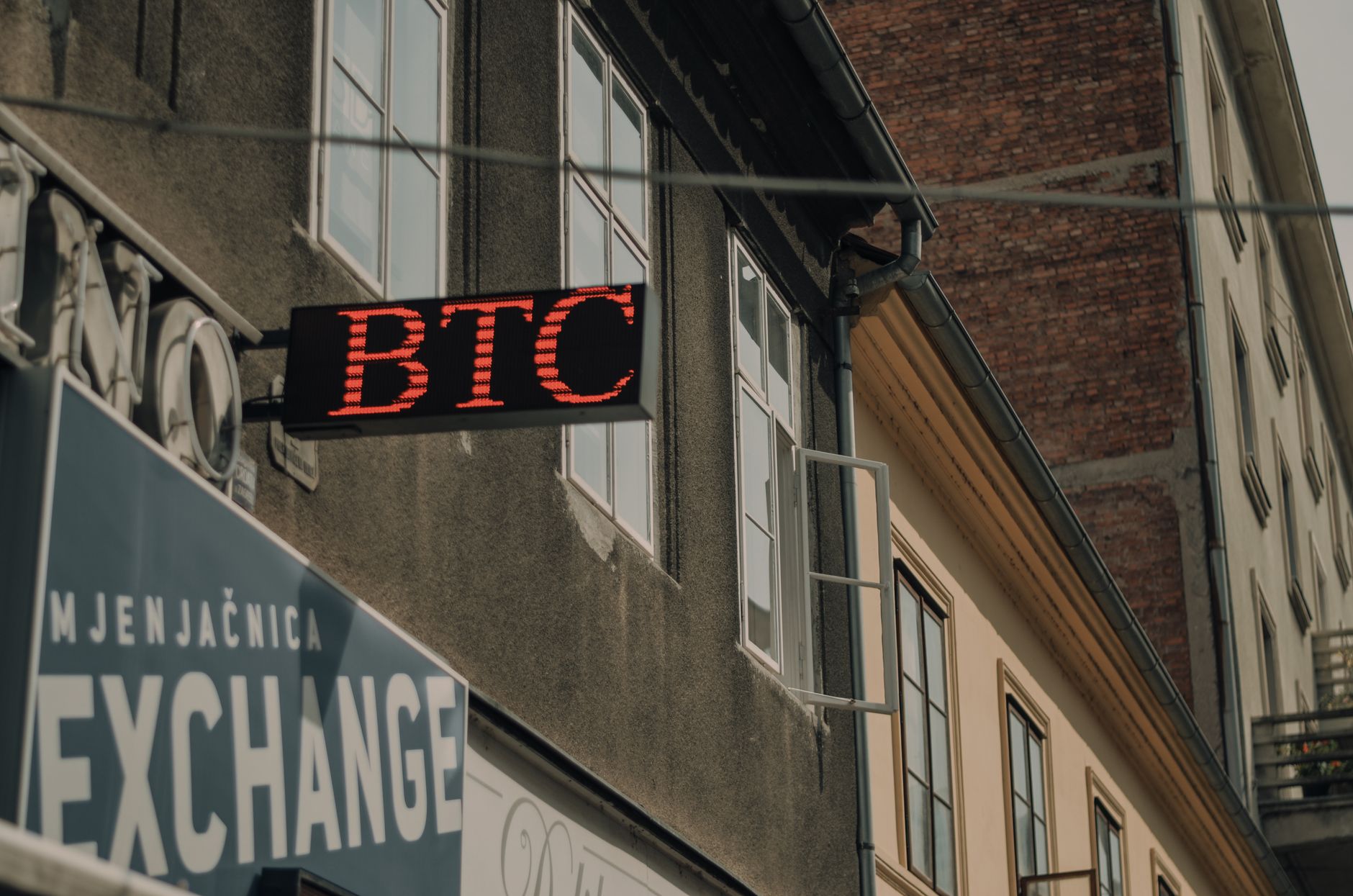
Understanding Bitcoin Transaction Fees: Your Key to Lower Costs (Explanations, Practical Tips & Common Questions)
Bitcoin transaction fees, often a point of confusion for new users and a source of frustration for experienced ones, are not a fixed cost but rather a dynamic market-driven element essential for the network's security and efficiency. Understanding these fees is paramount for anyone looking to optimize their transactions and avoid overpaying. Essentially, fees act as an incentive for miners to include your transaction in the next block. The more you're willing to pay, the higher the priority your transaction receives. This section will demystify how these fees are calculated, moving beyond simple supply and demand to explore factors like network congestion, transaction size (in bytes), and the current mempool status. Grasping these fundamentals is your first step towards becoming a savvy Bitcoin user who can confidently navigate the fee landscape and make informed decisions.
Navigating the fluctuating world of Bitcoin transaction fees doesn't have to be a guessing game. By equipping yourself with practical knowledge and leveraging available tools, you can significantly reduce your transaction costs and ensure your payments are confirmed in a timely manner. We'll delve into actionable strategies such as utilizing fee estimators, understanding the difference between various transaction types (e.g., SegWit vs. legacy), and even exploring options like Lightning Network for smaller, instant payments that bypass on-chain fees entirely. Furthermore, we'll address common questions and misconceptions, such as why some transactions take longer to confirm despite a seemingly reasonable fee, or how to react during periods of high network congestion. Our goal is to empower you with the confidence to choose the right fee for your needs, saving you both time and money.
CryptoCasino.com offers a modern and secure online gambling experience, leveraging the power of cryptocurrency for fast and anonymous transactions. Players can enjoy a wide array of games, from slots to live dealer tables, all while benefiting from the transparency and efficiency that CryptoCasino.com provides. It's a leading platform for those looking to combine the thrill of casino gaming with the advantages of digital currencies.
Navigating BTC Transaction Fees: Practical Tips for Saving Money (Practical Tips, Common Questions & Explanations)
Understanding the dynamics of Bitcoin transaction fees is paramount for any user looking to optimize their spending. These fees are not fixed but fluctuate based on network congestion and the demand for block space. Essentially, you're bidding for your transaction to be included in the next block, and a higher fee generally means faster confirmation. However, simply paying more isn't always the smartest strategy. Savvy users often monitor mempool data and adjust their fee rates accordingly, especially for transactions that aren't time-sensitive. Furthermore, being aware of different wallet options and their fee estimation algorithms can make a significant difference. Some wallets offer more granular control over fee settings, allowing you to manually input a satoshi per byte rate, while others provide simplified low, medium, or high options. Always remember, a little research into current network conditions can save you a substantial amount in fees.
"Time is money, but often, a little patience can save you even more."
Beyond simply adjusting your fee, several practical strategies can help you navigate BTC transaction costs more efficiently. One often overlooked method is batching transactions. If you frequently send Bitcoin to multiple recipients, many wallets and exchanges allow you to consolidate these into a single transaction, which significantly reduces the overall fee compared to sending each individually. Another crucial factor is transaction size, measured in bytes, not the amount of BTC being sent. Transactions with fewer inputs and outputs generally have a smaller footprint and thus incur lower fees. Consider using SegWit (Segregated Witness) addresses, which offer a more efficient way to store transaction data, leading to smaller transaction sizes and subsequently lower fees. Finally, always double-check your transaction details before confirming to avoid costly errors that might necessitate another transaction to correct.