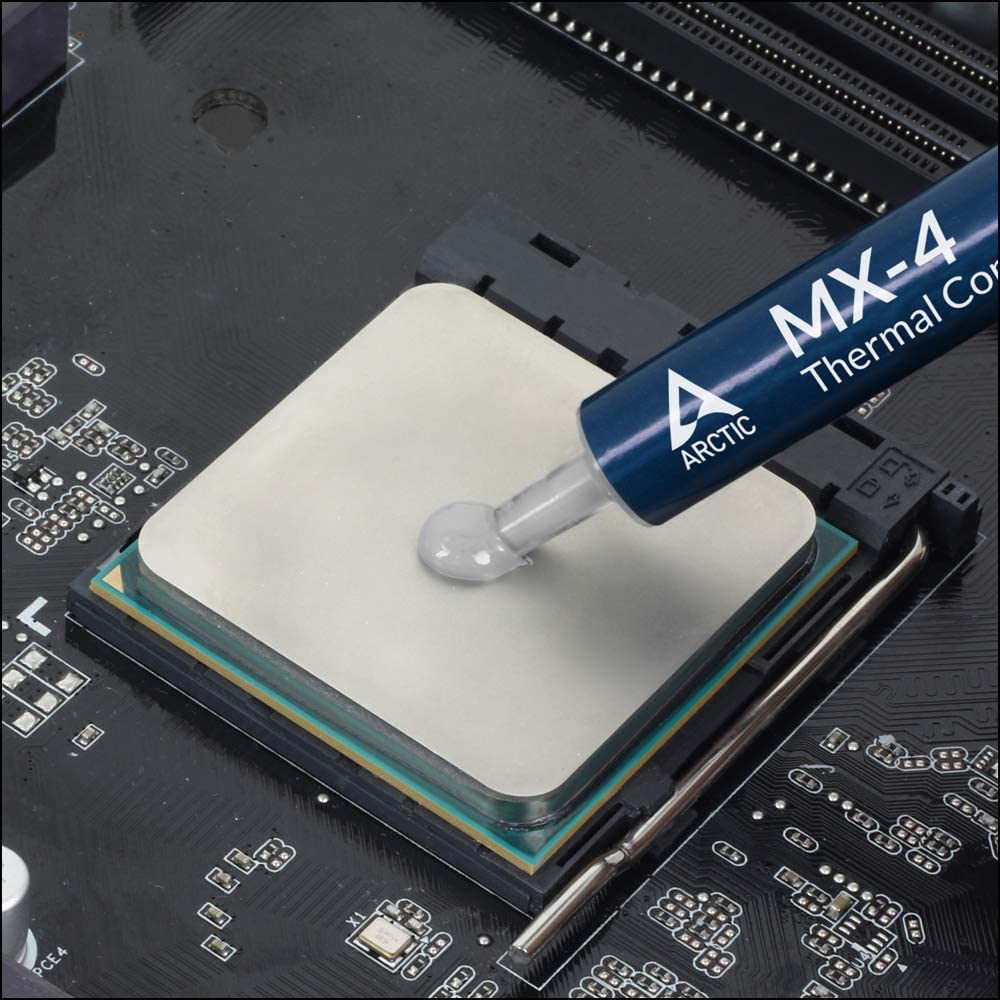
What is Thermal Paste and Why is it Crucial for Your Computer?
Thermal paste is a thermally conductive compound applied between the heat-generating components of a computer, such as the CPU or GPU, and their heatsinks. Its primary purpose is to fill in microscopic imperfections on the surfaces of these components, ensuring that heat is effectively transferred to the heatsink. This helps maintain optimal operating temperatures and enhances the overall performance and longevity of your computer. Without adequate thermal paste, heat buildup can lead to overheating, causing potential damage or reduced efficiency.
The significance of thermal paste cannot be overstated. Regular maintenance, including the reapplication of thermal paste, is crucial, especially if you're upgrading or overclocking your system. Over time, thermal paste can dry out and lose its effectiveness, leading to increased temperatures. By ensuring that your computer’s cooling system is functioning at its best, you can improve performance, increase lifespan, and minimize the risk of hardware failures. In summary, investing in high-quality thermal paste and knowing when to change it is key to keeping your computer running smoothly.
Counter-Strike is a popular multiplayer first-person shooter game that has garnered a massive following since its inception in the late 1990s. Players compete in teams to complete objectives such as bomb defusal or hostage rescue. To enhance your gaming experience, consider investing in Top 10 Laptop Accessories to Prevent Overheating, ensuring that your laptop remains cool during intense gameplay sessions.
How to Properly Apply Thermal Paste for Optimal Performance
Applying thermal paste correctly is essential for ensuring optimal performance of your CPU or GPU. To begin, it's important to gather the right materials: high-quality thermal paste, a clean surface, and a suitable applicator, such as a plastic spatula or your finger wrapped in a lint-free cloth. Start by cleaning the surfaces of both the cooler and the processor with isopropyl alcohol to remove any old thermal paste residue. This step is crucial, as leftover paste can hinder the thermal transfer. Once clean, it’s time to apply the thermal paste.
When applying the thermal paste, there are a few techniques you can use. The most common methods include the pea-sized dot method and the line method. For the pea-sized dot, place a small amount of paste in the center of the CPU, about the size of a grain of rice. When the cooler is installed, the pressure will spread the paste evenly. Alternatively, you can apply a thin line down the center of the processor. After applying, gently secure the cooler in place, as this will ensure an even spread without air bubbles. Remember, too much thermal paste can actually be counterproductive, so moderation is key!
Common Myths About Thermal Paste Debunked
One prevalent myth about thermal paste is that more is always better. Many users believe that applying a thick layer of thermal paste will improve heat transfer, but this is actually incorrect. In reality, using too much thermal paste can lead to decreased performance. Excess paste can spill over the sides of the CPU or GPU, potentially causing short circuits. A thin, even layer is all that's needed to create an effective thermal interface between the chip and the heatsink. Always aim for a pea-sized dot at the center of the chip, as this will spread evenly when the heatsink is installed.
Another common misconception is that all thermal pastes are created equal. While some users might think they can use any type of paste available, this isn't the case. There are various formulations of thermal paste, ranging from ceramic to metal-based options, each with differing thermal conductivity properties. Metal-based pastes typically offer better performance but may require more care during application due to their conductivity. It's essential to consider your specific needs and the performance capabilities of the paste to ensure optimal cooling for your components.