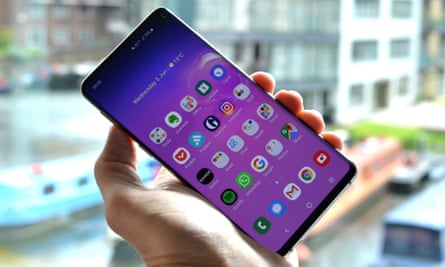
5 Hidden Features of Your Smartphone You Didn't Know Existed
Smartphones are packed with features that often go unnoticed. Among these, one intriguing hidden feature is the ability to use your device as a remote control for other electronics. Many smartphones come equipped with an infrared blaster, allowing you to control your TV, air conditioner, and other compatible devices directly from your phone. This functionality not only increases convenience but also reduces clutter by minimizing the number of remote controls needed in your living space.
Another hidden gem is the screen magnifier, which can be especially beneficial for those who struggle with vision issues. By simply going into your smartphone's accessibility settings, you can enable a feature that allows you to zoom in on parts of your screen. This can be helpful for reading small text, examining fine details in photos, or even viewing small icons more clearly, enhancing your overall user experience.
If you're looking for a sturdy and stylish way to hold your device, check out the Top 10 Aluminum Phone Stands. These stands offer excellent durability and a sleek design, making them perfect for both home and office use. Whether you need a stand for video calls, reading, or watching movies, there's an aluminum option that suits your needs.
What Your Smartphone Knows About You: Unpacking Privacy Settings
Your smartphone is more than just a communication device; it serves as a digital lifeline that knows an astonishing amount about your daily life. Privacy settings on your smartphone are crucial for controlling what data you share and with whom. From location tracking to app permissions, understanding these settings can significantly enhance your privacy. Take a moment to review these settings, as they often contain options that can restrict how much information your device collects. For instance, did you know that disabling location services for specific apps can prevent them from accessing your physical whereabouts? By actively managing these features, you can protect your personal information from being accessed or exploited.
Moreover, most smartphones allow you to customize your privacy settings to fit your comfort level. Start by visiting your device's settings menu and navigating to the privacy or security section. Here, you can often find tools such as data sharing settings, which let you decide which applications can access your personal data. It's equally important to review the permissions granted to third-party apps, as some may have access to your contacts, messages, or camera without your explicit consent. By regularly auditing these settings, you take proactive steps toward safeguarding your digital identity and enhancing your overall smartphone security.
Is Your Phone Listening? Debunking Myths and Facts About Smartphone Surveillance
Is your phone listening? This question has sparked debate among users and tech experts alike. Many individuals have reported instances where their devices appeared to know personal details or preferences without any apparent reason, leading to the belief that smartphones are continuously monitoring conversations. However, it's essential to debunk this myth. In most cases, the targeted ads and suggestions we encounter are a result of extensive data collection through our internet activity and app usage, rather than actual audio surveillance. This includes information gathered from browser history, social media interactions, and location tracking, allowing companies to create detailed profiles of their users.
Furthermore, modern smartphones have made privacy settings more accessible, enabling users to control what information is shared. For instance, one can disable microphone access for specific apps by navigating to the settings menu. It's vital to be conscious of *app permissions*, especially during the installation process. If a seemingly innocuous app requests access to your microphone, it's worth questioning the necessity of such access. Ultimately, while the fear of smartphone surveillance can be unsettling, informed choices and proactive privacy measures can mitigate these concerns, allowing users to enjoy their devices without undue worry.