10 Smart Features That Seem to Know You Better Than Yourself
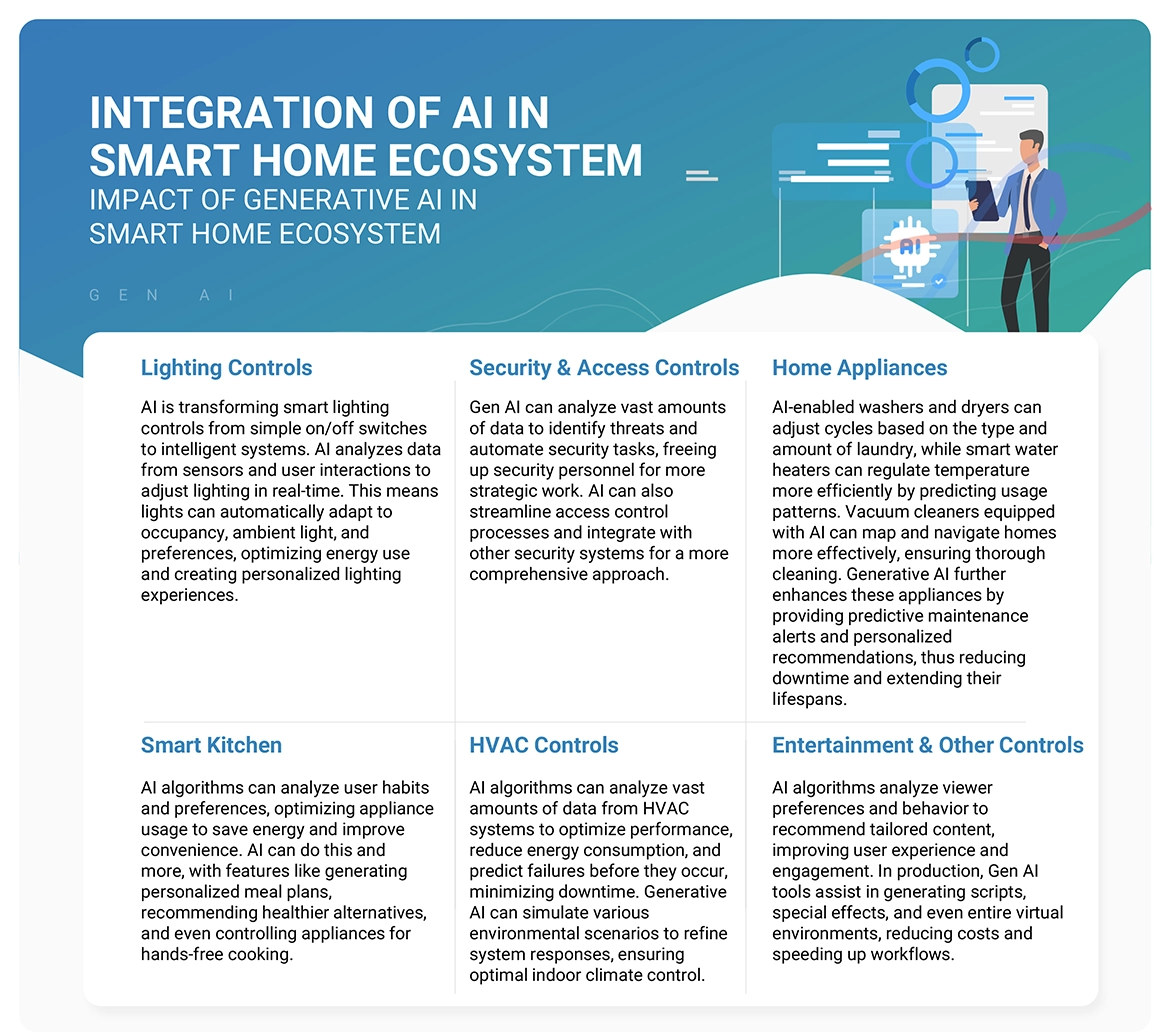
In today's tech-savvy world, smart features are designed to enhance our daily lives, often knowing our preferences better than we do. From smart home devices to mobile applications, these innovations offer personalized experiences that can streamline tasks and improve comfort. For instance, smart thermostats use algorithms to learn your heating and cooling preferences, adjusting the temperature based on your routines. Similarly, streaming services analyze your viewing habits to recommend shows and movies that align with your interests, making it easier to discover content you love.
Furthermore, fitness trackers provide insights into your health by monitoring your activity levels, sleep patterns, and heart rate, all while offering personalized coaching to help you achieve your fitness goals. Another impressive example is virtual assistants like Siri or Alexa, which can make recommendations based on your previous interactions, setting reminders, and even ordering groceries with just a voice command. These smart features are revolutionizing the way we interact with technology, often seeming to know us better than we know ourselves.
Counter-Strike is a popular multiplayer first-person shooter game that pits teams of terrorists against counter-terrorists in various objective-based modes. Many players enjoy customizing their gaming experience, and for those who also use Apple TV, they might be interested in the Top 10 apple tv remotes to enhance their viewing sessions between gaming sessions.
Can Your Smart Devices Really Anticipate Your Needs?
In today's rapidly evolving technological landscape, the question of whether smart devices can truly anticipate our needs is becoming increasingly relevant. These devices, ranging from smartphones to smart home assistants, utilize complex algorithms and artificial intelligence to gather data about user behavior. For instance, voice-activated assistants can learn your schedule and preferences, allowing them to suggest reminders or play your favorite music at specific times. However, the extent of their predictive capabilities often depends on the amount of data they can access. This has led to discussions about privacy and the ethical implications of data collection.
Moreover, smart devices often rely on patterns and previous interactions to make educated guesses about what you might need next. For example, smart thermostats can adjust the temperature based on your typical routines, while smart refrigerators can notify you when you're low on essential items. While this level of personalization improves convenience, it raises the question: are we becoming too reliant on technology? As the technology continues to advance, it will be crucial for users to understand both the benefits and potential drawbacks of these innovations in our daily lives.
Exploring AI: Are These Smart Features Reading Your Mind?
As technology continues to evolve, artificial intelligence (AI) is increasingly becoming a part of our everyday lives. From personalized recommendations on streaming platforms to intelligent virtual assistants, we often wonder: are these smart features reading your mind? The truth is that while AI can gather and analyze data from our interactions, it does not possess the ability to read thoughts. Instead, it utilizes algorithms to predict our preferences based on our past behavior, thus creating an illusion of mind-reading. This has led to significant advancements in user experience, making our interactions with technology more seamless and intuitive.
However, the sophistication of these AI systems raises ethical questions about privacy and data usage. With every click, search, and purchase, smart features collect personal information, which can feel invasive. As users, it is crucial to stay informed about how our data is used and to exercise caution when sharing personal details. Understanding the balance between convenience and privacy is essential in today’s digital landscape. Ultimately, while AI may seem to have an uncanny ability to anticipate our needs, it is our own data that fuels these intelligent systems, making user awareness essential in this age of technology.