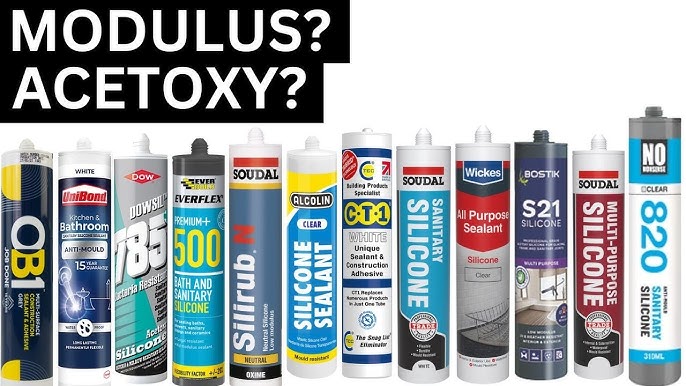
The Versatility of Silicone: Exploring Its Everyday Applications
Silicone is a remarkable material that has gained immense popularity due to its versatility and wide array of applications in everyday life. From kitchen utensils to medical devices, silicone's unique properties, including heat resistance, flexibility, and durability, make it an ideal choice for various products. For example, silicone bakeware is not only non-stick but also resistant to high temperatures, ensuring that your baked goods come out perfect every time. Additionally, silicone one of the few materials that can withstand extreme temperature fluctuations without degrading, making it a popular choice in both home and industrial settings.
The applications of silicone extend beyond the kitchen. In the realm of healthcare, silicone is frequently used for implants, prosthetics, and various medical devices due to its biocompatibility and resistance to bacteria. Similarly, silicone sealants provide excellent waterproofing solutions in construction and home maintenance, ensuring durability and longevity. Moreover, silicone-based products have become essentials in personal care, such as in the formulation of lotions and beauty products, showcasing its ability to improve skin texture and retain moisture. These examples not only highlight the versatility of silicone but also underscore its importance in enhancing our daily lives.
Keeping your keyboard clean is essential for its longevity and performance. Investing in one of the Top 10 Keyboard Dust Covers can help protect against dust, spills, and debris. These covers come in various materials and styles, ensuring that you'll find the perfect fit for your keyboard.
Why Silicone is a Game-Changer for Health and Safety
Silicone has emerged as a revolutionary material in the fields of health and safety, offering a robust alternative to traditional substances. This synthetic polymer, known for its durability and flexibility, is not only heat-resistant but also non-toxic, making it ideal for various applications such as medical devices, food storage, and personal protective equipment. Unlike plastic, silicone is free from harmful chemicals like BPA and phthalates, ensuring that it doesn't leach into food or beverages, thus safeguarding public health. The versatility of silicone extends beyond its physical properties; it can also be easily sterilized, which is crucial in preventing the spread of infections in healthcare settings.
Moreover, the utilization of silicone in consumer products enhances safety standards across various industries. Items such as silicone bakeware, baby products, and medical tools are designed with safety in mind, minimizing the risk of accidents and health hazards. For instance, silicone's ability to withstand extreme temperatures allows for safe cooking and baking, eliminating the risk of melting or releasing toxins. Additionally, with the increasing focus on sustainability, silicone offers a reusable and long-lasting option compared to disposable plastic products, contributing to environmental safety. The ongoing innovation in silicone technology continues to shape the future of health and safety, making it a critical player in enhancing the quality of life.
Silicone vs. Traditional Materials: Which is Better for Your Lifestyle?
When it comes to choosing between silicone and traditional materials like plastic or metal, it ultimately boils down to personal preference and lifestyle needs. Silicone has gained popularity due to its flexibility, durability, and non-toxic properties, making it an excellent choice for kitchenware, exercise gear, and even medical devices. For instance, silicone bakeware is not only flexible, allowing for easy removal of baked goods, but it is also dishwasher safe, which offers a significant advantage in terms of convenience.
On the other hand, traditional materials can also have their place depending on the application. Items made from metal or glass, for instance, are often favored for their heat resistance and longevity. However, they can be heavier and less versatile than their silicone counterparts. Ultimately, evaluating your usage scenarios—whether it's for kitchen use, fitness, or everyday carry—will help you determine which material aligns best with your lifestyle.