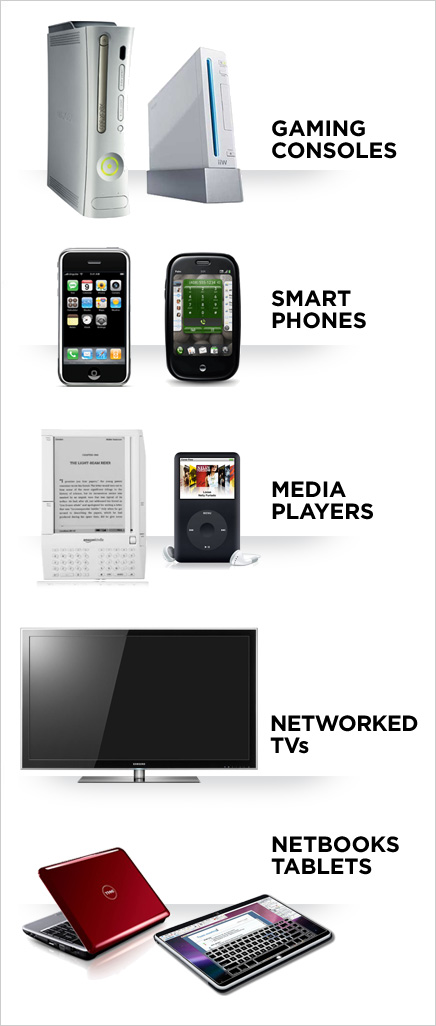
How Media Devices Shape Our Conversations: Insights and Surprises
The advent of media devices has profoundly transformed the way we communicate, shaping our conversations in both obvious and subtle ways. From smartphones to social media platforms, these tools have not only changed the medium of our conversations but also influenced the content and nature of our discussions. How media devices impact interpersonal interactions can be seen through various lenses. For instance, studies indicate that the use of smartphones during conversations often leads to decreased face-to-face engagement, as people become engrossed in their screens rather than in the dialogue. This shift raises questions about the quality of communication and connection we share with others.
Despite the challenges posed by these devices, there are also surprising benefits that enhance our conversational skills. For example, media devices offer access to an array of information, allowing individuals to back up their points with facts and data almost instantaneously. This influx of information can lead to more informed and engaging discussions. Furthermore, platforms like video calls and messaging apps have made it possible to maintain relationships across long distances, fostering connections that may have otherwise weakened over time. As we navigate this complex landscape, it becomes essential to understand both the positive and negative ramifications of our dependence on technology in shaping our dialogues.
Counter-Strike is a popular tactical first-person shooter that has captivated gamers around the world. Known for its team-based gameplay, it emphasizes strategy and skill in various combat scenarios. Players can enhance their gaming experience with various peripherals, including the Top 10 apple tv streaming accessories that can help optimize performance and enjoyment.
The Hidden Role of Social Media in Everyday Dialogue
In today's digital age, the influence of social media on everyday dialogue cannot be overstated. It serves as a catalyst for communication, shaping the way we interact with one another both online and offline. Social media platforms have created a virtual space where individuals can share thoughts, ideas, and experiences instantaneously. As such, conversations that may have once taken place in person are now often initiated through posts, tweets, and comments. This shift has transformed traditional communication dynamics, allowing users to engage in discourse that spans geographical boundaries, making the world feel more interconnected than ever.
However, the hidden role of social media goes beyond merely facilitating conversation; it also influences the very content of our dialogue. For example, current trends on platforms like Twitter and Instagram often inform the topics that dominate our conversations. From memes that spark humor to viral news stories that generate debate, social media subtly shapes our views and opinions. Moreover, it encourages the adoption of new slang and expressions, effectively enriching everyday language. Ultimately, understanding this influence is crucial for navigating our increasingly digital world, ensuring that we remain aware of both the benefits and challenges it brings to our communication styles.
Are Smartphones Ruining Our Face-to-Face Interactions?
In today's digital age, smartphones have become an integral part of our lives, enabling instant communication and providing easy access to information. However, these devices may also be ruining face-to-face interactions. Many people find themselves more engaged with their screens than with the individuals physically present around them. This phenomenon leads to a decline in meaningful conversations, as individuals often prioritize texting or browsing social media over engaging with friends and family. Experts suggest that this behavior may diminish our ability to read social cues and empathize with others, which are essential skills for successful interpersonal communication.
Moreover, the constant notifications and distractions from smartphones can create a barrier to authentic connections. For instance, studies show that individuals who frequently check their phones during social gatherings may come across as disinterested or aloof. This practice not only impacts personal relationships but can also affect professional environments. Ultimately, it raises a crucial question: are we sacrificing our ability to connect genuinely with others in exchange for the fleeting gratification that smartphones provide? Recognizing the need for balance between the digital and real world is vital to preserving our face-to-face interactions.