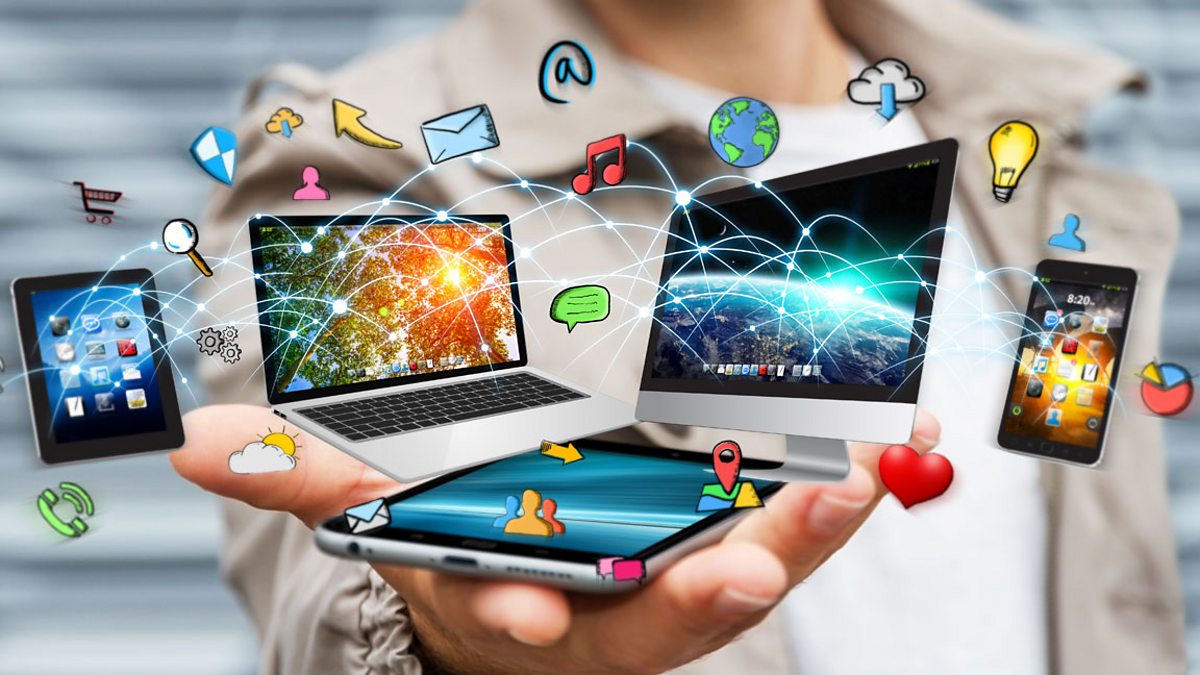
How Devices Shape Our Daily Routines: The Hidden Impact
In today's fast-paced world, devices have become ingrained in our daily routines, reshaping how we interact with our surroundings and manage our time. From smartphones that wake us up with gentle alarms to smart home devices that control lighting and temperature, these technological aids influence our behaviors and habits. For instance, a study found that nearly 80% of individuals check their phones within 15 minutes of waking up, indicating how these devices have effectively molded our morning rituals and set the tone for the day.
The hidden impact of devices extends beyond mere convenience; it has a profound effect on our productivity and mental well-being. With constant notifications and the temptation of endless scrolling, it's no surprise that many struggle to maintain focus. In fact, research suggests that people spend an average of 3 hours daily on their devices, leading to a decline in face-to-face interactions and increased feelings of isolation. By recognizing the dual nature of these devices—as both a tool for efficiency and a potential source of distraction—we can better navigate our daily routines and establish healthier habits.
Counter-Strike is a highly competitive first-person shooter game that has captivated millions of players since its inception. The game focuses on teamwork and strategy, pitting a team of terrorists against a team of counter-terrorists in various objective-based scenarios. For gamers looking to enhance their iPhone experience, check out the Top 10 iPhone accessories under 25 to find some great devices that can complement your gaming setup.
The Evolution of Everyday Devices: From Necessity to Dependency
The evolution of everyday devices has transitioned from being simple tools of necessity to complex gadgets we rely on daily. In the early 20th century, inventions like the telephone and radio were groundbreaking, enhancing communication and access to information. As technology advanced, we saw the emergence of household appliances such as vacuum cleaners and microwaves, which transformed domestic life. However, these devices also represent a shift towards increased dependency. With each advancement, we became more accustomed to conveniences that promised efficiency but also required us to adapt our lifestyles and expectations.
In recent years, the rise of smartphones and smart home devices has cemented our dependency on technology. These devices are not only necessary for communication but serve multiple functions, from managing our schedules to controlling our home environments. As a result, our relationship with technology has evolved; we now rely on applications and devices to handle tasks that were once performed manually. While such advancements offer unparalleled convenience, they also raise questions about our ability to function independently, making it crucial to consider how far we've come and what the future holds for our dependency on everyday devices.
Are We Controlled by Our Devices? Understanding the Influence of Technology
In today's digital age, it often feels as though we are controlled by our devices. From the moment we wake up to the sound of our smartphone alarm to the last scroll through social media before bed, technology pervades our daily routines. Devices like smartphones, tablets, and computers vie for our attention, influencing our thoughts and actions in subtle yet significant ways. Research shows that the average person spends over seven hours a day interacting with screens, leading to an ever-shifting relationship between humans and technology. How has our reliance on these devices impacted our decision-making, social interactions, and overall well-being?
The influence of technology extends beyond simple usage; it shapes our behaviors and habits in profound ways. As we rely more on our devices for communication, shopping, and entertainment, we may find ourselves falling into patterns that diminish our autonomy. For instance, the use of algorithms in social media platforms creates echo chambers, reinforcing our existing beliefs and limiting exposure to diverse opinions. Additionally, notifications and alerts pull us away from meaningful activities, leading to fragmentation in our attention. As we ponder the question, 'Are we controlled by our devices?' it becomes clear that understanding this influence is crucial for reclaiming our agency in an increasingly digital world.