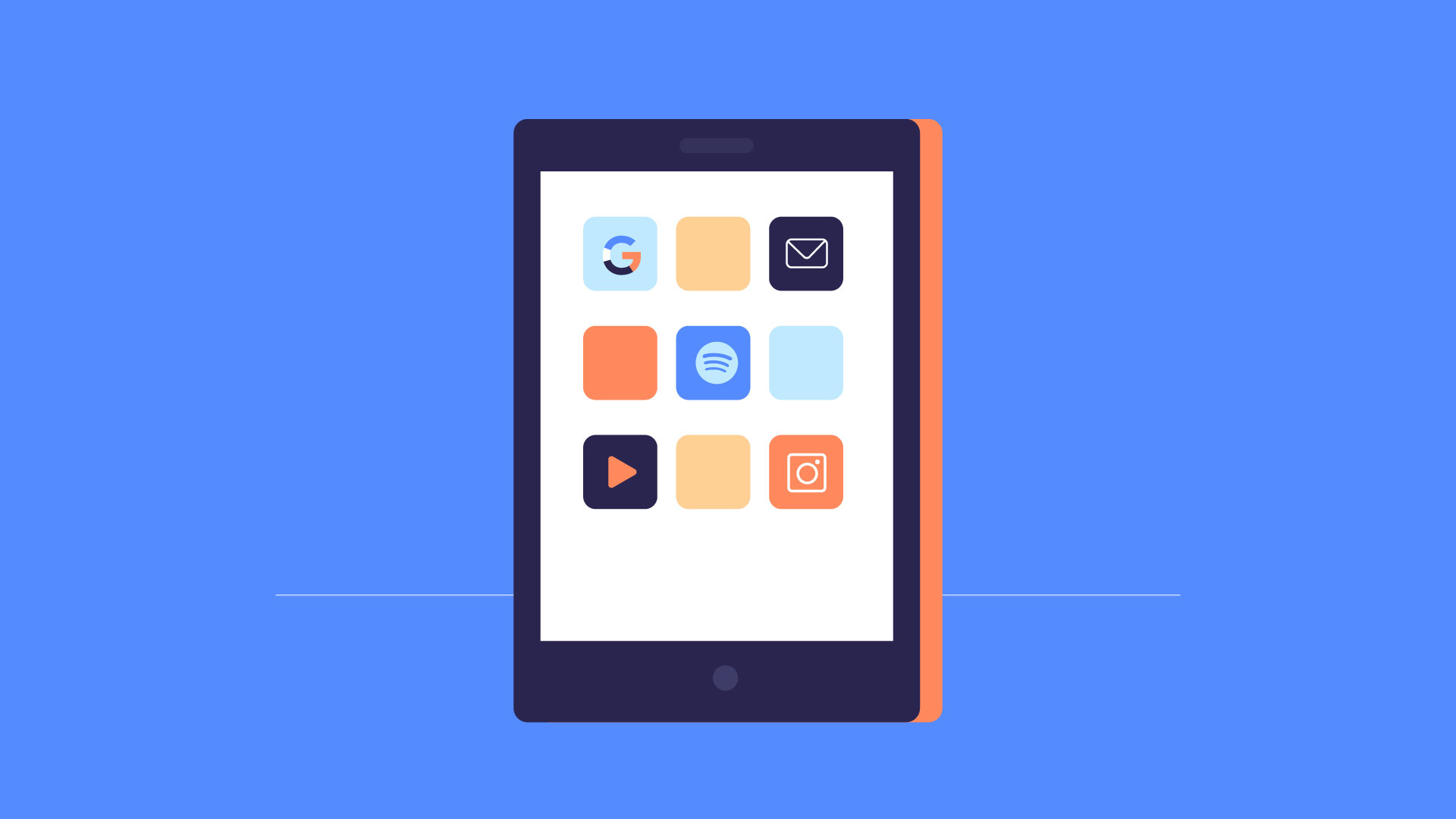
5 Ways Your Smartphone is Distracting You from Deep Work
In today's digital age, our smartphones have become indispensable tools, yet they also serve as significant distractions when we attempt to engage in deep work. One major way this occurs is through constant notifications. Whether it's a social media alert, an email ping, or a news update, these interruptions pull our focus away from the task at hand and disrupt our cognitive flow. A study found that it can take up to 23 minutes to regain full concentration after a distraction, making it crucial to manage these notifications effectively.
Another factor is the sheer volume of content available at our fingertips. The temptation to check the latest trends, watch a quick video, or read an article can easily lead us down a rabbit hole, consuming precious time that could be better spent on deep work. While some may argue that multi-tasking enhances productivity, research suggests that it actually impairs our ability to concentrate. To maximize your productivity, consider setting specific times to engage with your smartphone, allowing you to fully dedicate yourself to focused work without the lure of digital diversions.
Counter-Strike is a popular first-person shooter game that emphasizes team-based gameplay and strategy. Players can choose to play as terrorists or counter-terrorists, each with distinct objectives. For those looking to enhance their gaming experience, check out the Top 10 Tablet Accessories for some great gear to improve your performance. The game's competitive nature and engaging maps have made it a staple in the esports community.
The Hidden Costs of Multitasking: Are Your Gadgets Making You Less Productive?
In today's fast-paced digital landscape, multitasking has become a buzzword that many of us wear as a badge of honor. However, the hidden costs associated with juggling multiple tasks, especially with the constant distraction of our gadgets, can actually lead to a decrease in overall productivity. Research shows that when we attempt to shift our focus from one task to another, our brain takes time to refocus, resulting in wasted time and effort. A study conducted by the Stanford University researchers found that heavy multitaskers performed worse on cognitive tests than those who focused on one task at a time, highlighting the paradox that our devices intended to aid us can often lead to less effective work.
Moreover, we often underestimate the mental toll of multitasking. While our gadgets make it easier to tackle several activities at once, they can also lead to cognitive overload. The brain's capacity to process information can become overwhelmed, resulting in mistakes and delays. To illustrate the impact, consider this: when switching between tasks, it can take an average of 23 minutes to regain focus on the original task. Thus, if you're relying on multiple devices to handle different responsibilities, it may be time to reevaluate your approach and consider prioritizing single-tasking to maximize your output and efficiency.
Is Your Fitness Tracker Ruining Your Focus? Unpacking the Distraction of Wearable Technology
In our fast-paced world, fitness trackers are often seen as essential tools for maintaining a healthy lifestyle. However, the very technology that aids us in monitoring our health can also be a source of significant distraction. With constant notifications and real-time updates, it's easy to find yourself checking your device more often than focusing on your workout or daily tasks. Studies have shown that these interruptions can diminish our overall productivity, leading many to question whether the benefits of wearable technology truly outweigh the distractions they introduce.
Moreover, the distraction of wearable technology extends beyond just fitness tracking. Many users have reported that they feel pressured to meet daily step counts or engage in specific activities just because their device prompts them to do so. This can lead to a cycle of anxiety and frustration rather than genuine motivation. To achieve a balanced approach, it is crucial to unpack the distraction and tailor how we use these devices, ensuring they support rather than hinder our focus and overall well-being.